
Pool Replastering Houston TX | Expert Pool Replastering Services
Pool replastering in Houston demands specialized knowledge of local conditions, from our aggressive clay soil shifts to brutal summer heat that can crack fresh plaster during curing. JR Pools delivers proven replastering solutions across Houston, Katy, Sugar Land, and surrounding areas, combining two decades of hands-on experience with the right materials for our hard water and climate. Whether your pool shows rough patches, visible cracks, or persistent staining, professional replastering restores both function and beauty for 10 to 15 years when done right.
Why Houston Pools Need Replastering
Your pool’s plaster surface doesn’t last forever, especially in Houston’s demanding environment. Most professionally applied plaster jobs reach the end of their service life between 10 and 15 years, though poor installation or water chemistry issues can shorten that timeline dramatically.
The signs show up gradually at first. You’ll notice rough spots where the plaster has worn thin, typically around steps and benches where swimmers touch most often. Stains that won’t brush away indicate the plaster’s porosity has increased, allowing minerals and algae to penetrate deeper than surface cleaning can reach. Visible cracks, especially spiderweb patterns near the deep end or along walls, signal that the bond between plaster and gunite has weakened.
Here’s what 20 years around Houston pools teaches you: our clay soil shifts more than most regions, creating stress points that crack aging plaster. The extreme heat doesn’t help either. We’ve replastered pools that were drained and cracking in the August heat — timing the cure right is everything in Houston. Rush the process during a heat wave, and you’ll see problems within months instead of years.
Water chemistry plays a massive role too. Houston’s hard water contains high calcium and mineral content that attacks plaster surfaces over time. According to the Better Business Bureau’s Houston pool resurfacing directory, improper chemical balance causes more premature plaster failure than any other single factor. When pH drifts too low, acidic water etches the surface. When it climbs too high, calcium scales form and eventually separate from the underlying plaster.
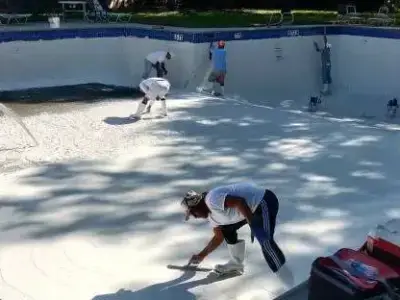
Refresh your pool with Pool Replastering Houston TX by Expert Pool Replastering Services.
What Is the replaster?
Pool replastering is the complete removal of your pool’s existing interior surface down to the structural shell, followed by application of a fresh plaster coating. It’s not a patch job or overlay — it’s a full-surface renovation that resets your pool’s lifespan.
The process starts with draining the pool completely, then chipping away all old plaster using specialized pneumatic tools. Our crews expose the underlying gunite or shotcrete shell, inspecting for structural cracks or weak spots that need repair before new plaster goes down. Any necessary structural repairs happen at this stage, because once fresh plaster is applied, you won’t get another chance for 10-plus years.
Surface preparation makes or breaks the job. We acid-wash the exposed shell, remove all dust and debris, then thoroughly wet the surface. The gunite must be properly saturated so it doesn’t pull moisture from the fresh plaster too quickly, which causes weak bonding and early failure.
Application day requires precision timing and the right weather window. A good plaster job lasts 10-15 years; a rushed one starts staining in two. Professional crews mix Portland cement, marble dust or aggregate, and water on-site, then trowel the mixture onto walls and floor in a continuous pour. We can’t stop halfway — the entire pool gets plastered in one session to avoid visible seams or bonding issues between batches.
The curing process determines long-term durability. Fresh plaster needs constant moisture and careful chemical management during its first month. Temperature matters enormously. Hot, dry Houston days can pull moisture too fast from curing plaster, creating a chalky, weak surface instead of the dense, smooth finish you’re paying for.
Traditional White Plaster vs. Aggregate Finishes
Traditional white plaster costs less upfront but shows wear faster in Houston conditions. It’s pure white Portland cement mixed with marble dust, creating that classic smooth finish. Expect 7 to 10 years from white plaster with proper maintenance.
Pebble and quartz aggregate finishes add durability and visual interest. Pebble finishes hold up to our hard water far better than white plaster. They blend small stones into the plaster mix, creating a textured surface that resists staining and chemical etching. Quartz finishes use ground quartz crystals instead of marble dust, offering a middle ground between white plaster’s smooth feel and pebble’s rugged durability.
Color options have expanded dramatically. You’re no longer limited to white or light blue. Modern pigments create deep blues, sandy beiges, Caribbean turquoise, or even charcoal grays that complement your outdoor space. The color becomes part of the plaster itself, not a coating that can peel or fade quickly.
How Much Does Pool Replastering Cost in Houston?
Most Houston pool owners spend between $4,500 and $8,500 for replastering, with the exact figure depending on pool size, surface choice, and necessary repairs. That range covers a standard residential pool using quality materials and experienced crews.
Size drives cost directly. A small 400-square-foot pool requires less material and labor than an 800-square-foot resort-style pool. Calculate roughly $3.50 to $6.00 per square foot for standard white plaster, or $6.00 to $10.00 per square foot for premium pebble or quartz finishes.
Hidden costs show up when crews drain your pool and expose problems. Structural cracks need repair before replastering. Outdated or damaged tile around the waterline should be replaced while the pool is empty and accessible. Coping stones that have settled or cracked need attention too. An honest contractor identifies these issues during the estimate process, not after you’ve committed to the job.
Timing your replastering project affects both cost and quality. Spring and fall offer ideal weather conditions in Houston — moderate temperatures and lower humidity help plaster cure properly. Summer heat complicates the curing process, while winter’s occasional freezes can delay schedules and create application challenges. Some contractors offer modest discounts for off-season work, but weather-related complications can offset those savings.
Resurfacing beats replacing nine times out of ten — if the shell’s sound, you’re throwing money away tearing it out. A complete pool replacement runs $30,000 to $70,000 or more. Replastering gives you 10 to 15 more years of service at a fraction of that investment.
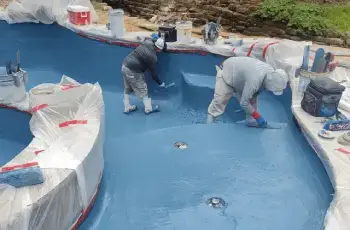
Trust Expert Pool Replastering Services for a flawless pool finish.
Choosing the Right Replastering Material for Houston Conditions
Houston’s hard water, clay soil movement, and temperature extremes eliminate some surface materials that work fine elsewhere. Your choice affects not just appearance but long-term maintenance costs and replastering frequency.
Standard white plaster remains the most budget-friendly option, but it demands more from you. Houston water chemistry works against white plaster constantly. High calcium content causes scaling. Low pH creates etching. You’ll spend more time balancing chemicals and more money on acid washes to remove stains. Most white plaster surfaces in Houston show visible wear by year seven, need careful management by year eight, and require replastering between years 10 and 12.
Pebble finishes change that timeline. Small smooth stones embedded in the plaster create a naturally textured surface that hides minor staining and resists chemical attack. The texture feels pleasant underfoot — not rough like you might expect. Pebble holds up to our hard water far better than white plaster, often reaching 15 to 18 years before replastering becomes necessary. The upfront cost runs 40% to 60% higher than white plaster, but the extended lifespan and reduced maintenance often justify the investment.
Quartz finishes split the difference. They blend crushed quartz crystals with white cement, creating a surface smoother than pebble but more durable than standard plaster. Quartz resists staining better than white plaster and offers more color consistency over time. Expect 12 to 15 years from a quality quartz surface in Houston conditions.
Color selection impacts both aesthetics and perceived water temperature. Darker plaster absorbs more solar heat, warming your pool water naturally — useful during Houston’s brief winter months but potentially unwelcome in July. Lighter colors reflect heat, keeping water cooler but sometimes showing stains more readily. Medium blues and grays offer practical compromises, hiding minor discoloration while avoiding extreme heat absorption.
How Houston’s Clay Soil Affects Replastering
Clay soil out here shifts; that’s why proper bonding and prep matter more than the finish color. Houston sits on expansive clay that swells when wet and contracts during drought. That constant movement creates stress on your pool’s gunite shell, which transfers to the plaster surface.
Proper bonding techniques compensate for soil movement. The fresh plaster must bond mechanically and chemically to the pool shell. Mechanical bonding comes from the rough texture of the prepared gunite surface — fresh plaster literally grips into the pores and irregularities. Chemical bonding happens when moisture in the wet plaster reactivates remaining cement in the gunite, creating a molecular connection between old and new surfaces.
Flexible finishing materials help too. Some modern plaster formulations include polymer additives that increase tensile strength and flexibility. They don’t prevent cracks if your pool shell develops major structural problems, but they resist the hairline cracks that appear from normal soil movement and temperature changes.
The JR Pools Replastering Process
Our replastering process follows a proven sequence developed over 20 years of Houston pool work. We don’t skip steps to meet arbitrary deadlines, and we don’t start projects during weather conditions that compromise results.
Initial inspection happens while your pool is still full. We assess plaster condition, check for visible cracks or hollow spots, examine tile and coping, and test water chemistry to understand what your pool has endured. Run your hand along the waterline tile — that texture tells you about calcium buildup and chemical history. This inspection determines whether you need simple replastering or additional pool renovation services before we proceed.
Draining requires care, especially in Houston. Most pool “leaks” people panic about are just evaporation — Houston summers pull over a quarter inch a day. But draining too quickly can cause a pool to pop out of the ground if the water table is high, particularly after heavy rain. We monitor weather and groundwater conditions before scheduling drain day.
Demolition and surface prep generate dust and noise for one to two days. Pneumatic chippers remove old plaster down to the gunite shell. We identify any structural cracks, expansion joint failures, or areas where plaster had separated from the shell. Necessary structural repairs happen now, because fresh plaster over damaged gunite just transfers the problem to the new surface within months.
Application day brings our full crew on-site early. We pre-wet the prepared surface thoroughly, mix plaster batches on-site for consistency, and apply material in a continuous process that doesn’t stop until the entire pool interior is complete. The team moves systematically from deep end to shallow end, troweling plaster to uniform thickness and smoothing the surface to specification.
Curing begins immediately after application. We fill the pool with water within hours of finishing, not days later. That water provides the moisture needed for proper cement hydration. We balance initial chemistry carefully — not too acidic, not too alkaline — to support curing without attacking the fresh surface. According to research from the Portland Cement Association, proper curing moisture is critical during the first seven days when concrete develops 70% of its ultimate strength.
The first month requires your attention. We provide detailed startup instructions covering brushing schedules, chemical additions, filtration runtime, and what to watch for. You can’t just fill the pool and forget it. Daily brushing removes plaster dust. Gradual chemical balancing protects the curing surface. We stay in contact during this critical period, answering questions and adjusting recommendations based on how your specific pool responds.
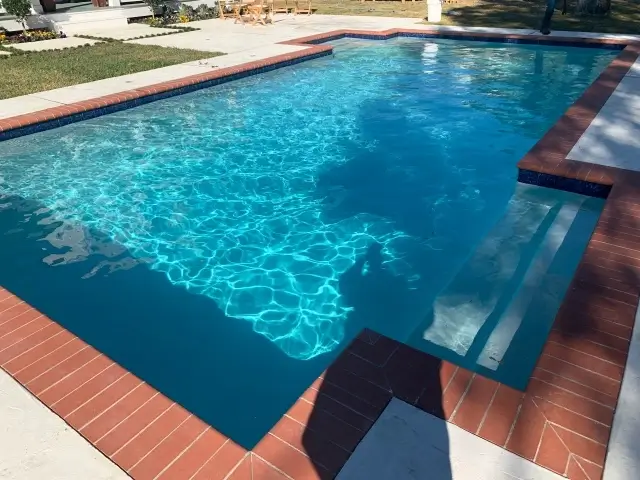
Restore your pool’s beauty with Pool Replastering Houston TX.
When Should You Replaster Your Pool?
Timing your replastering project right extends the life of your investment and avoids emergency situations. Don’t wait until plaster failure forces a rushed decision during peak season when contractors are booked months out and weather conditions aren’t ideal.
Visible wear signals approach the end of plaster life. Rough patches appear first in high-traffic areas — steps, benches, swim-outs. The surface feels abrasive rather than smooth when you run your hand across it. Stains that resist brushing and chemical treatment indicate the plaster has become too porous, allowing contaminants to penetrate below the surface. These cosmetic issues typically appear 2 to 3 years before actual failure, giving you a comfortable planning window.
Structural symptoms demand faster action. Cracks wider than hairlines, especially if they’re expanding, suggest the plaster has separated from the gunite shell. Hollow-sounding areas when you tap the surface indicate delamination. Visible aggregate showing through worn plaster means you’re down to the final layer of material. At this stage, you’re months away from serious problems, not years.
Water loss accelerates decision timelines. Small amounts of water disappear to evaporation — normal in Houston’s heat. But consistent water loss exceeding a quarter-inch daily, even accounting for splashing and evaporation, often points to plaster cracks allowing seepage. Distinguishing between evaporation and leaks requires testing. A simple bucket test gives you data: fill a bucket with pool water, mark the water level inside the bucket and in the pool, then compare the levels after 24 hours. If the pool level drops more than the bucket level, you’ve got a leak, not just evaporation.
Best Time of Year for Pool Replastering in Houston
Spring and fall offer optimal conditions. March through May and September through November provide moderate temperatures, manageable humidity, and lower chances of extreme weather disrupting the schedule. Plaster cures best between 60°F and 85°F — warm enough for proper chemical reactions but cool enough to prevent rapid moisture loss.
Summer projects work but demand extra precautions. June through August heat can cause curing problems if not managed carefully. Fresh plaster exposed to 95°F afternoons loses moisture too quickly, creating a chalky, weak surface. We schedule summer applications to finish early morning, immediately fill with water, and monitor the curing process intensively. The heat does offer one advantage: you’ll want your pool ready for swimming season, and summer replastering means you’re back in the water by fall.
Winter carries different risks. December through February can deliver freezing nights that damage fresh plaster before it fully cures. Rain delays are more common. But winter offers scheduling flexibility and sometimes modest cost savings since demand drops. If you’re willing to wait until spring for swimming, winter replastering can make economic sense.
Maintaining Your Newly Replastered Pool
The first 30 days after replastering determine whether your pool reaches its 10-to-15-year potential or shows problems within two years. Fresh plaster isn’t ready for normal use immediately — it needs careful chemical management and regular attention while curing.
Daily brushing removes plaster dust and prevents scale buildup during the critical first month. Use a soft nylon brush, not a wire brush that can scratch the surface. Brush the entire pool — walls, floor, steps, everything — once per day. This feels tedious, but it prevents calcium nodules and rough spots that become permanent if left to harden during curing.
Chemical balance requires precision during startup. Keep pH between 7.2 and 7.6, slightly lower than the 7.4 to 7.6 you’ll target long-term. This mildly acidic range helps cure the plaster properly. Total alkalinity should sit between 80 and 120 ppm. Calcium hardness needs careful attention — too low and the water pulls calcium from the fresh plaster, too high and you’ll get scaling. Target 200 to 250 ppm in Houston’s hard water environment.
Don’t add salt or run salt systems for at least 30 days. The chlorine produced by salt systems can be aggressive on fresh plaster. Use traditional chlorine tablets or liquid chlorine during the startup period, keeping levels between 1.0 and 2.0 ppm — enough for sanitation but not so much that it etches the curing surface.
Water chemistry remains important long-term, but daily testing becomes weekly testing after the first month. Test pH, alkalinity, and chlorine weekly. Check calcium hardness and stabilizer monthly. According to the Centers for Disease Control, proper pool chemistry prevents 80% of common pool problems and extends surface life significantly. Cheap plaster is the most expensive thing you can buy for a pool, but poor chemistry after installation runs a close second.
Avoid aggressive cleaning for the first year. No acid washing, no abrasive scrubbing, no harsh stain removers. These treatments remove the outer layer of plaster before it’s fully hardened. If stains appear during the first 12 months, address them with gentle methods — enzyme treatments for organic stains, careful pH adjustment for metal stains. Save aggressive treatments for year two and beyond when the plaster can handle them.
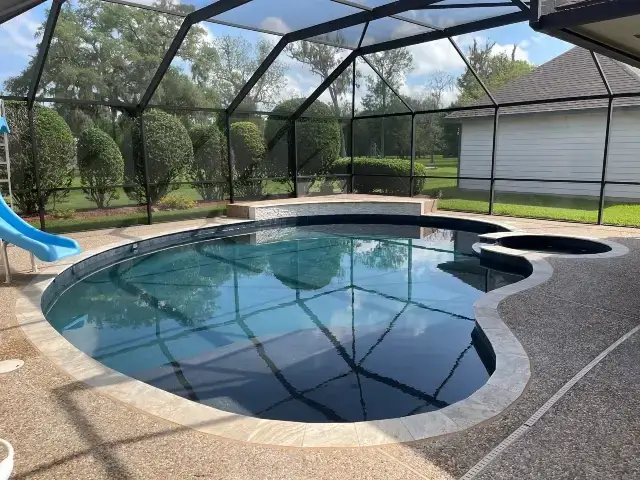
Expert Pool Replastering Services deliver smooth, lasting results.
Why Choose JR Pools for Houston the replaster
JR Pools brings two decades of hands-on experience to every Houston replastering project. We’ve worked through every scenario Houston pools present — soil shifts in Katy, hard water challenges in Sugar Land, heat complications in Cypress, and everything between. That experience shows up in results that last.
Our crews know Houston conditions inside out. We don’t use the same materials and methods that work in Arizona or Florida. We specify plaster formulations that stand up to local water chemistry. We schedule projects around Houston weather patterns, not arbitrary calendar dates. We prep surfaces to compensate for clay soil movement that other regions don’t deal with.
Quality materials make the difference between a 10-year surface and a 15-year surface. We source plaster, aggregate, and additives from manufacturers with proven track records in similar conditions. We don’t cut costs with inferior materials that save us money but cost you durability. Every bag of cement, every pound of aggregate, every admixture meets specifications developed over years of testing what actually holds up in Houston pools.
Our process doesn’t take shortcuts. We drain carefully, prep thoroughly, repair structural issues before they become your problem, apply material in optimal conditions, and guide you through the critical startup period. We stay in contact after the job, answering questions and addressing concerns as your pool cures and stabilizes.
Warranty coverage backs our work. We stand behind both materials and workmanship because we’re confident in our process. If problems develop from installation errors, we make them right. That confidence comes from doing things properly the first time, every time, not from hoping problems don’t surface before the warranty expires.
Service area coverage spans the Greater Houston region. We regularly replaster pools in Houston, Katy, Sugar Land, Cypress, The Woodlands, Pearland, and surrounding communities. Our crews know these neighborhoods, understand local pool styles, and recognize the specific challenges each area presents. Distance doesn’t mean generic service — we bring the same careful attention to every project whether you’re in Memorial or Montgomery County.
Beyond replastering, we offer complete pool renovation services that address every aspect of pool restoration. Tile replacement, coping repair, equipment upgrades, deck resurfacing — we coordinate the entire project so you’re working with one trusted team, not juggling multiple contractors with conflicting schedules.
Common Pool Replastering Mistakes to Avoid
Rushing the project causes more failures than any other single mistake. Proper replastering can’t be compressed into artificially short timelines. Surface prep takes the time it takes. Application needs specific weather conditions. Curing follows a biological schedule, not your vacation plans. Contractors who promise unrealistic completion times cut corners somewhere — usually in prep work or curing protocols that you won’t notice until problems appear months later.
Choosing on price alone practically guarantees disappointment. The lowest bid uses the cheapest materials, the least experienced crews, or both. Plaster materials vary enormously in quality, and those differences aren’t visible until the surface starts showing wear prematurely. Experienced crews cost more because they’re worth more — they prep correctly, apply evenly, and solve problems instead of creating them.
Ignoring weather conditions sets projects up for failure. Applying plaster during temperature extremes or before predicted rain causes curing problems that weaken the surface permanently. Professional contractors monitor forecasts carefully and reschedule when conditions threaten quality. Yes, that delays your timeline. It also ensures you’re not replastering again in five years instead of fifteen.
Skipping necessary repairs before replastering just transfers problems to the new surface. Structural cracks in the gunite shell, damaged tile, settled coping, failed bond beams — these issues don’t disappear under fresh plaster. They telegraph through within months, cracking the new surface and requiring the whole job to be redone properly. Fix the foundation first, then resurface.
Neglecting startup procedures wastes your investment. The most perfectly applied plaster will fail prematurely without proper chemical management during the first 30 days. Skipping daily brushing, letting pH drift, adding aggressive chemicals too soon — these mistakes damage the curing plaster and shorten surface life by years. Follow the startup protocol exactly as specified.
Pool Replastering vs. Pool Resurfacing: Understanding the Difference
Pool replastering and pool resurfacing mean the same thing in most conversations — completely removing old material and applying a fresh interior surface. The terms get used interchangeably by homeowners and contractors alike.
Technically, replastering specifically refers to applying cement-based plaster materials (white plaster, pebble, quartz). Resurfacing is the broader category that includes plaster options plus alternative materials like fiberglass coatings, epoxy paints, or tile. But in practical Houston pool conversations, when someone says they need resurfacing, they almost always mean replastering with one of the cement-based options.
Alternative surfaces exist but serve niche applications here. Epoxy pool paint costs less than replastering but lasts only 2 to 4 years before needing reapplication. It makes sense for above-ground pools or temporary solutions, not for permanent in-ground pool restoration. Fiberglass coatings can be applied over existing surfaces in some cases, but they don’t address underlying structural issues and can delaminate if applied over compromised plaster.
Full tile surfacing creates stunning visual results and eliminates replastering for decades, but the cost runs three to five times higher than even premium pebble finishes. We see tile used as accents and waterline treatments rather than complete pool surfaces in most residential Houston applications.
Get Started with Professional the replaster in Houston
Your pool’s plaster won’t last forever, but proper replastering gives you another 10 to 15 years of beautiful, functional swimming. JR Pools delivers proven results across Houston, backed by two decades of experience with local conditions and materials that actually hold up to our climate and water chemistry.
The first step is assessment. We’ll inspect your current plaster, identify any underlying issues, discuss material options that match your budget and preferences, and provide a detailed estimate covering all necessary work. No surprises, no pressure, just honest evaluation of what your pool needs.
Scheduling works around your timeline and optimal weather conditions. We’ll recommend the best window for your specific project, explain what to expect during each phase, and keep you informed as work progresses. Most replastering projects from drain to refill span 7 to 10 days, with the critical startup period extending another 30 days after that.
Questions deserve real answers from people who do this work daily, not sales scripts from call centers. Contact JR Pools at jrpoolplastering.com or call our Houston office directly. We’ll discuss your specific situation, explain your options clearly, and help you make the right decision for your pool.
Don’t wait until plaster failure forces rushed decisions during peak season. Plan ahead, choose quality materials and experienced crews, and you’ll enjoy your renewed pool for years to come.
Frequently Asked Questions
How long does pool replastering take in Houston?
Most pool replastering projects take 7 to 10 days from initial drain to refill. The actual plaster application happens in a single day, but surface preparation, any necessary repairs, and proper curing time extend the overall timeline. Weather conditions can add days if rain delays work or temperatures fall outside the ideal range for application. After refilling, expect another 30 days of careful startup procedures before the pool is fully ready for normal use.
Can I replaster my pool myself to save money?
Pool replastering requires specialized equipment, materials, and expertise that make DIY attempts impractical for most homeowners. The plaster must be mixed to exact specifications, applied in a continuous process without stopping, and troweled to uniform thickness across the entire surface. Mistakes in any phase create permanent problems that cost more to fix than hiring professionals initially. The specialized tools alone — pneumatic chippers, plaster mixers, professional trowels — represent significant investment for a one-time project.
How often should a pool be replastered in Houston?
Most Houston pools need replastering every 10 to 15 years, depending on the plaster type and how well the pool has been maintained. Standard white plaster typically lasts 8 to 12 years in our hard water conditions. Premium pebble and quartz finishes often reach 12 to 18 years before requiring replacement. Poor water chemistry, aggressive cleaning methods, or structural issues can shorten these timelines significantly, sometimes requiring replastering in as few as 5 to 7 years.
What’s the difference between pebble and quartz pool finishes?
Pebble finishes incorporate small smooth stones into the plaster mix, creating a textured surface that’s highly durable and stain-resistant. Quartz finishes use crushed quartz crystals instead, producing a smoother feel than pebble but more texture than standard plaster. Pebble typically lasts longer and resists Houston’s hard water better, but quartz offers more color consistency and a surface some swimmers prefer. Both outperform standard white plaster in durability and maintenance requirements, with pebble costing slightly more than quartz in most cases.
Will replastering fix pool leaks?
Replastering fixes leaks caused by cracks or deterioration in the plaster surface itself, but it won’t solve leaks originating from plumbing lines, the skimmer, returns, or structural shell damage. Before replastering, contractors should identify the leak source. If water loss stems from plaster cracks or porous deteriorated surfaces, new plaster resolves the issue. But if pipes or fittings leak, those require separate repairs before or during the replastering process to avoid wasting money on a new surface that still loses water.
How soon can I swim after the replaster?
You can technically swim within days of replastering, but most contractors recommend waiting at least 14 days and some suggest 28 days for best results. The plaster needs time to cure and harden properly. Swimming too soon won’t necessarily damage the surface, but you’ll feel roughness and plaster dust, and aggressive activity can mar areas that haven’t fully hardened. Daily brushing during this period removes loose plaster dust and helps the curing process. After two weeks with proper chemical balance and brushing, the pool is ready for normal swimming use.
{
“@context”: “https://schema.org”,
“@graph”: [
{
“@type”: “Article”,
“headline”: “Pool Replastering Houston | JR Pool Plastering”,
“description”: “Pool replastering Houston services for commercial properties. Expert restoration, durability guaranteed. Get a free quote from our certified team today.”,
“keywords”: “pool replastering houston”,
“mainEntityOfPage”: “https://jrpoolplastering.com”,
“datePublished”: “2026-06-30T01:27:39.446Z”,
“dateModified”: “2026-06-30T01:32:28.099Z”,
“author”: {
“@type”: “Person”,
“name”: “Computer”
},
“publisher”: {
“@type”: “Organization”,
“name”: “JR Pools”,
“url”: “https://jrpoolplastering.com/”
}
},
{
“@type”: “FAQPage”,
“mainEntity”: [
{
“@type”: “Question”,
“name”: “How much does commercial pool replastering cost in Houston?”,
“acceptedAnswer”: {
“@type”: “Answer”,
“text”: “Commercial pool replastering in Houston typically costs between $8,000 and $25,000, depending on your pool’s size, condition, and the plaster type you choose. Larger pools or those needing extensive repairs will fall toward the higher end. It’s worth getting multiple quotes from local contractors since pricing varies based on labor costs and material selection. Most projects take one to two weeks to complete.”
}
},
{
“@type”: “Question”,
“name”: “What is the best plaster finish for commercial pools?”,
“acceptedAnswer”: {
“@type”: “Answer”,
“text”: “Marcite plaster is the best finish for commercial pools because it’s durable, resists algae growth, and holds its appearance longer than standard plaster. It’s more expensive upfront, but you’ll save money on maintenance and recoating costs down the road. For pool replastering in Houston’s climate, we’d recommend marcite—it handles our heat and humidity exceptionally well compared to other finishes.”
}
},
{
“@type”: “Question”,
“name”: “Why should I replaster my commercial pool?”,
“acceptedAnswer”: {
“@type”: “Answer”,
“text”: “You should replaster your commercial pool because worn plaster develops cracks, stains, and rough surfaces that harbor bacteria and damage your pool’s structure. Over time, deteriorating plaster becomes costly to repair and creates safety hazards for swimmers. A fresh plaster finish restores your pool’s appearance, improves water chemistry balance, and extends your pool’s lifespan. For Houston pool owners, replastering every 7-10 years is standard maintenance that protects your investment and keeps guests safe.”
}
},
{
“@type”: “Question”,
“name”: “When do commercial pools need replastering?”,
“acceptedAnswer”: {
“@type”: “Answer”,
“text”: “Commercial pools typically need replastering every 5-10 years, depending on usage and water chemistry. High-traffic facilities in Houston often require more frequent updates due to our intense sun and heat, which accelerates plaster deterioration. You’ll notice signs like cracking, rough surfaces, or algae staining that shouldn’t respond to cleaning. Don’t wait until structural damage occurs—regular inspections help catch problems early and keep your pool safe and attractive for guests.”
}
},
{
“@type”: “Question”,
“name”: “How long does commercial pool replastering take?”,
“acceptedAnswer”: {
“@type”: “Answer”,
“text”: “Commercial pool replastering typically takes 7-14 days from start to finish, depending on your pool’s size and condition. We’ll drain it, remove the old plaster, repair any structural issues, apply new plaster, and let it cure properly before refilling. Larger pools or those needing extensive repairs might take a few extra days. Here in Houston, we work efficiently to minimize your downtime while ensuring a quality finish.”
}
},
{
“@type”: “Question”,
“name”: “What’s the difference between plaster and aggregate finishes?”,
“acceptedAnswer”: {
“@type”: “Answer”,
“text”: “Plaster is a smooth, traditional finish that’s affordable and easy to maintain, while aggregate finishes contain decorative stones or pebbles mixed in for texture and durability. Plaster tends to need replastering every 7-10 years, whereas aggregate can last longer. In Houston’s heat, aggregate finishes are often preferred since they’re more resistant to cracking and UV damage. Your choice depends on budget, maintenance preference, and how long you want your pool to look fresh.”
}
}
]
},
{
“@type”: “LocalBusiness”,
“name”: “JR Pool Plastering & Texas Gunite Ltd”,
“address”: {
“@type”: “PostalAddress”,
“streetAddress”: “6205 Brookfield Dr, Houston, TX 77085”
},
“telephone”: “(832) 305-5765”,
“url”: “https://jrpoolplastering.com/”
}
]
}
pool replastering savings in River Oaks, TX