
Pool Resurfacing Houston TX | Expert Pool Resurfacing Services
Pool resurfacing in Houston requires more than basic plaster application—it demands understanding how our clay soil, hard water, and relentless summer heat impact every layer of your pool’s finish. JR Pools specializes in resurfacing that’s engineered for Houston’s unique conditions, from Katy to The Woodlands, delivering finishes that last 10-15 years instead of failing in two.
We’ve replastered pools that were drained and cracking in the August heat—timing the cure right is everything in Houston. The clay soil out here shifts, which is why proper bonding and prep matter more than the finish color. When your pool’s surface becomes rough, stained, or develops visible cracks, resurfacing restores both function and beauty while protecting the underlying shell from costly structural damage.
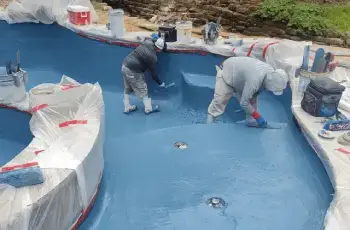
Refresh your pool with Pool Resurfacing Houston TX by Expert Pool Resurfacing Services.
What Is Pool Resurfacing and When Does Your Pool Need It?
Pool resurfacing replaces the interior finish layer of your pool—the plaster, pebble, or aggregate coating that holds water and protects the concrete shell. Most Houston pools need resurfacing every 10-15 years, though rushed or low-quality jobs start showing problems much sooner.
Run your hand along the waterline tile. If the plaster feels rough like sandpaper, you’re already overdue. Other telltale signs include visible aggregate showing through worn spots, dark stains that won’t brush away, and small surface cracks spreading across the shallow end. Some homeowners panic when water levels drop, but most pool “leaks” people worry about are just evaporation—Houston summers pull over a quarter inch a day according to industry standards in our area.
Delayed resurfacing creates bigger problems. The plaster protects your pool’s structural shell, and once that barrier fails, water seeps into the gunite or concrete. Freeze-thaw cycles—even our mild Houston winters—expand that moisture and crack the shell itself. At that point, you’re not looking at a $6,000 resurfacing job; you’re facing $20,000+ in structural repair.
Resurfacing beats replacing nine times out of ten—if the shell’s sound, you’re throwing money away tearing it out. A qualified pool contractor will inspect the shell before quoting resurfacing, checking for structural integrity and proper drainage.
Pool Resurfacing Options for Houston’s Climate
Houston’s hard water and intense UV exposure eliminate some finish materials that work fine in other climates. Here’s what actually lasts here.
Standard White Plaster
Traditional marcite plaster costs the least upfront—usually $3-5 per square foot. It’s a mix of white cement and marble dust that’s troweled smooth. The downside? Our mineral-heavy water stains white plaster quickly, and the finish only lasts 7-10 years in Houston conditions. Good for budget-conscious homeowners who plan to resurface more frequently.
Pebble and Quartz Finishes
Pebble finishes hold up to our hard water far better than white plaster. They cost more—typically $7-12 per square foot—but they last 15-20 years and hide staining beautifully. Quartz finishes blend crushed quartz into the plaster for added durability and color retention. Both options include a slightly textured surface that some owners love and others find too rough underfoot.
We’ve installed hundreds of pebble surfaces across Sugar Land, Cypress, and Pearland. They’re the go-to choice for families who want to resurface once and forget about it for the next two decades.
Hydrazzo and Polished Finishes
These premium finishes use finer aggregates and get polished smooth after curing. They’re gorgeous—almost glass-like—and durable, but they’ll push your budget to $12-18 per square foot. Best suited for high-end residential pools and commercial installations where appearance matters most.
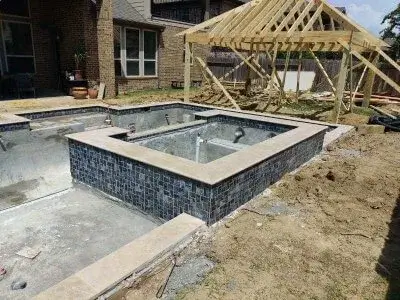
Trust Expert Pool Resurfacing Services for a smooth, lasting finish.
The Pool Resurfacing Process: What Houston Homeowners Should Expect
Professional pool resurfacing in Houston takes 5-7 days from drain to refill, though weather can extend that timeline. Here’s what actually happens on your property.
Draining and Surface Preparation
We drain your pool completely and chip out the old plaster using pneumatic tools. It’s loud—your neighbors will know you’re getting work done. The goal is to expose clean, sound gunite without damaging the underlying structure. Any hollow-sounding areas get chipped back further until we hit solid shell.
Pressure washing removes all residue and dust. Then we acid-etch the gunite to create a mechanical bond for the new plaster. Skipping this step is how cheap contractors deliver jobs that delaminate within months.
Plumbing and Tile Repairs
Before new plaster goes down, we inspect and repair any plumbing issues—cracked skimmer mouths, loose return fittings, failing main drains. We also replace damaged waterline tile at this stage. Trying to fix these issues after resurfacing means cutting into fresh plaster, so this is the time to address everything. Our full-service approach catches problems that resurfacing-only contractors miss.
Applying the New Surface
Application day starts early—often before sunrise in summer. The plaster mix arrives in a truck and gets pumped directly onto your pool walls. A crew of 4-6 skilled trowelers works continuously, spreading and smoothing the material before it begins to set. Timing is critical in Houston heat; a good plaster job lasts 10-15 years, while a rushed one starts staining in two.
The crew works from deep end to shallow, maintaining consistent thickness (typically 3/8″ for plaster, thicker for pebble). They trowel the surface multiple times to compress the material and create a dense, watertight finish. For pebble finishes, they expose the aggregate with a final wash once the plaster reaches initial set.
Curing and Start-Up
We begin filling your pool immediately after finishing. The water supports the fresh plaster and prevents cracking as it cures. Start-up chemicals get added in stages over the first week to balance pH without etching the new surface. You’ll brush the pool daily for the first 10 days to remove plaster dust—this isn’t optional; it prevents permanent calcium deposits.
Houston’s heat accelerates curing but also increases the risk of thermal cracking. We’ve replastered pools that were drained and cracking in the August heat—timing the cure right is everything in Houston. Professional applicators monitor weather forecasts and sometimes delay pours when temperatures spike above 100°F.
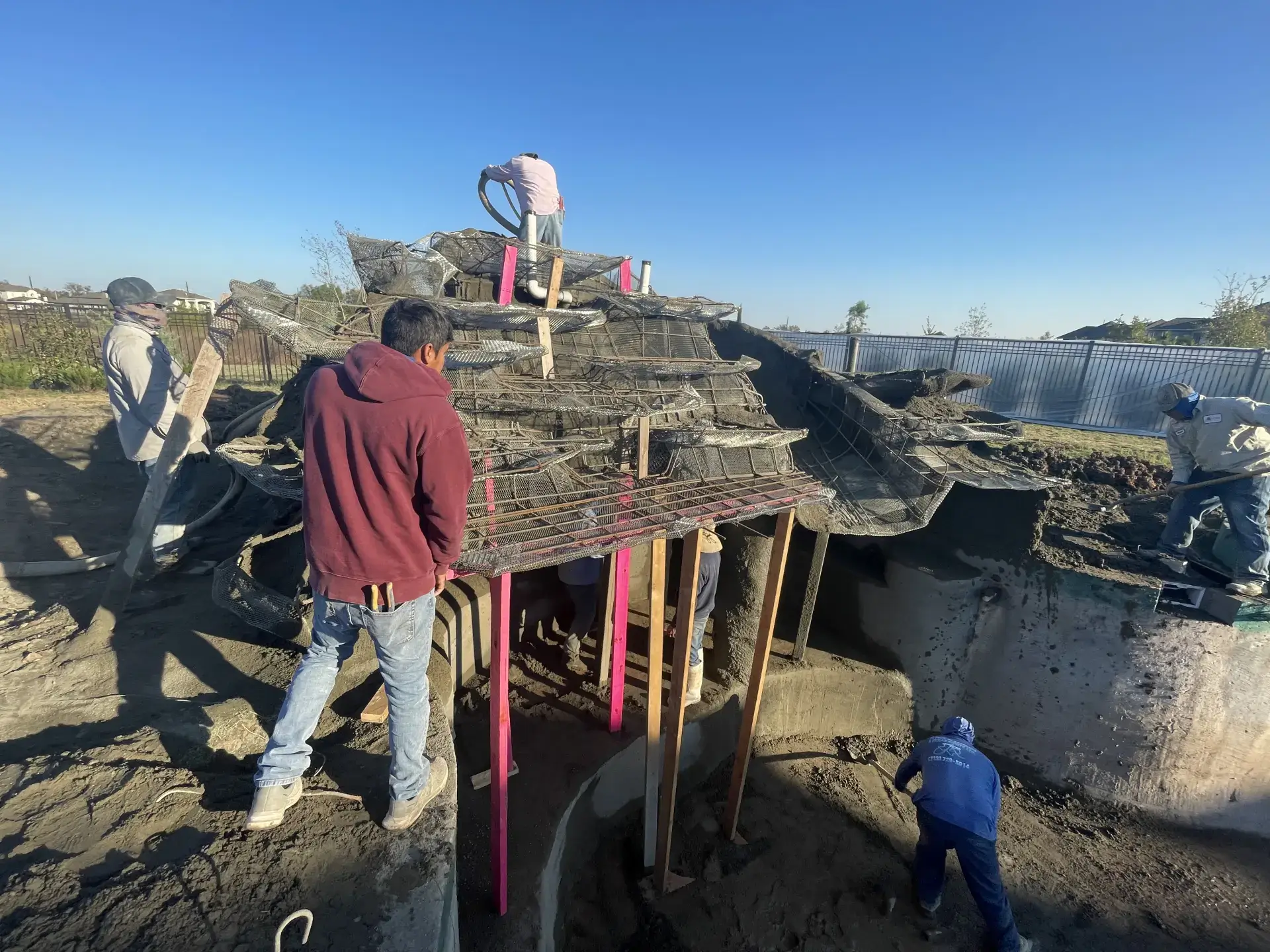
Restore your pool’s beauty with Pool Resurfacing Houston TX.
How Much Does resurfacing Cost in Houston?
Expect to invest $5,000-$12,000 for a standard residential pool resurfacing in the Houston area. The final number depends on pool size, finish material, and repairs discovered during prep.
Here’s the realistic breakdown. White plaster for an average 500-square-foot pool (roughly 15′ x 30′) runs $3,000-$4,500 in materials and labor. Pebble finishes for the same pool cost $5,500-$8,000. Add $800-$1,500 if you’re replacing waterline tile, and another $500-$2,000 for plumbing repairs or equipment upgrades.
Cheap plaster is the most expensive thing you can buy for a pool. Contractors quoting significantly below market either cut corners on prep, use substandard materials, or plan to upsell you aggressively once work begins. According to the Better Business Bureau’s Houston pool resurfacing directory, the most common complaint involves contractors who lowball estimates then inflate costs after draining the pool.
Financing options exist. Many Houston pool owners use home equity lines of credit (HELOCs) for resurfacing projects since the improvement adds value to the property. We work with homeowners to schedule projects during slower winter months when some material costs drop slightly.
Why Houston Pool Resurfacing Requires Local Expertise
Not all pool contractors understand Houston’s specific challenges. Our soil, water chemistry, and climate create conditions that destroy generic approaches.
Clay Soil and Ground Movement
Clay soil out here shifts—sometimes dramatically during drought-to-deluge cycles. Pools settle, tilt, and flex over time. That movement puts stress on the plaster bond. Contractors who don’t account for this use rigid plaster mixes that crack within seasons. The right approach uses slightly more flexible formulations and reinforcement techniques like fiber additives that accommodate minor shell movement.
Hard Water and Chemical Balance
Houston’s municipal water is notoriously hard—full of calcium, magnesium, and other minerals. These minerals leach out of fresh plaster during the first month, then redeposit on the surface as ugly white scale if pH isn’t carefully controlled. Start-up chemistry isn’t a suggestion; it’s the difference between a pristine finish and one covered in calcium nodules by month two.
Pebble finishes tolerate our hard water far better than standard white plaster. They don’t show staining as readily, and their textured surface hides the minor scale buildup that’s inevitable in our area. We recommend them to almost every Houston client for this reason.
Heat and Humidity
Summer temperatures regularly hit 95-100°F with humidity near 80%. Plaster cures through hydration—a chemical reaction between cement and water. When it’s this hot, surface moisture evaporates faster than the plaster can hydrate properly, leading to weak, chalky finishes. Experienced Houston crews adjust mix ratios, add retardants, and sometimes mist the surface during application to slow curing and build strength.
Here’s what 20 years around Houston pools teaches you: weather dictates schedule more than customer preference. We won’t rush a pour into dangerous conditions just to meet an arbitrary deadline.
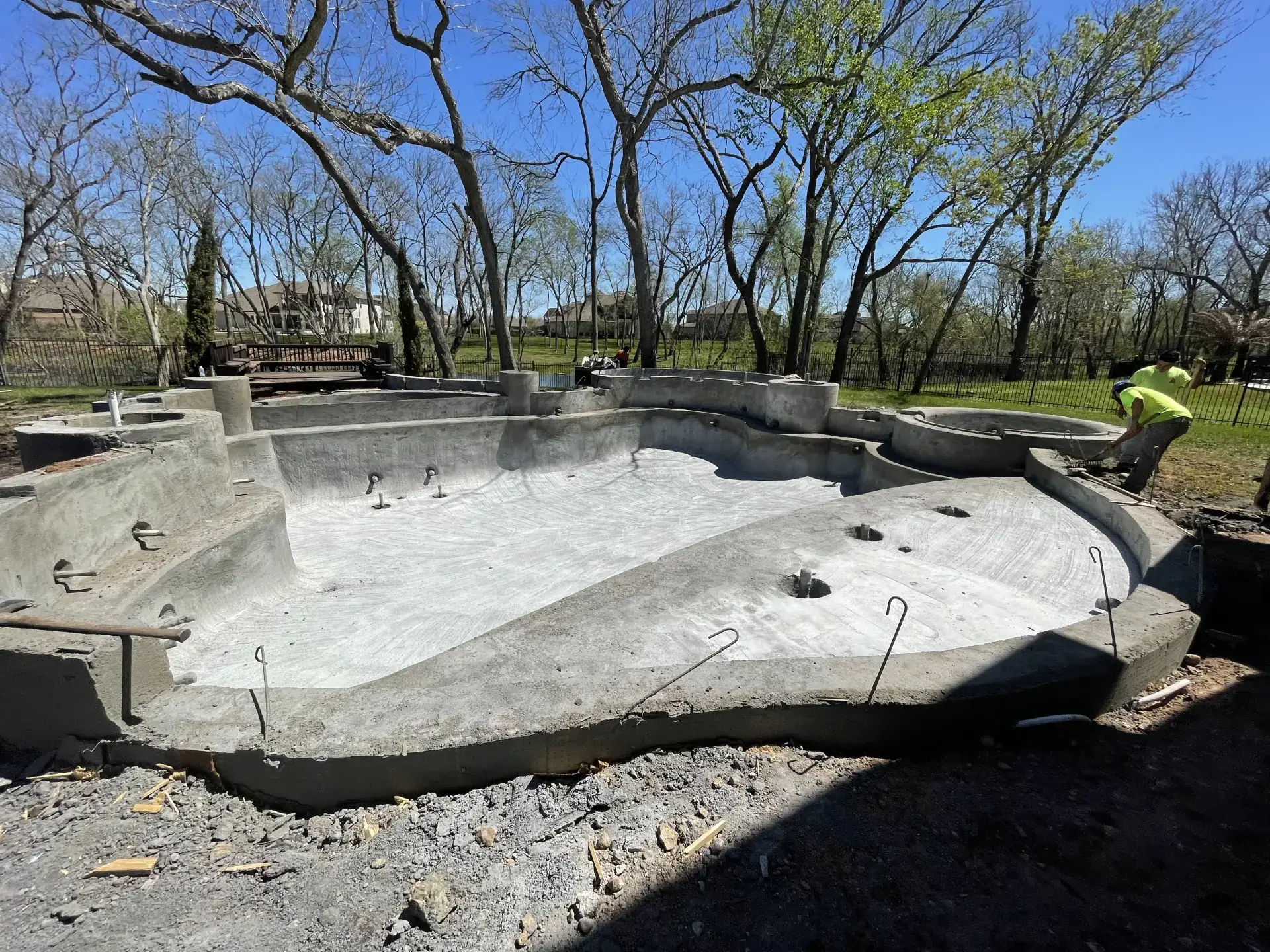
Expert Pool Resurfacing Services deliver quality you can count on.
Choosing a Pool Resurfacing Contractor in Houston
Houston has dozens of pool resurfacing companies, but quality varies wildly. Here’s how to separate the professionals from the problem contractors.
Check licensing first. Texas requires pool contractors to carry general liability insurance and workers’ comp coverage. Ask to see certificates—and verify them directly with the insurer. Unlicensed contractors save money by skipping insurance, then disappear when someone gets injured or property gets damaged.
Look at actual project photos, not stock images. A legitimate contractor has hundreds of before-and-after photos from local jobs. Ask for addresses of recent projects in your neighborhood—Katy, The Woodlands, and Sugar Land pools all face slightly different soil and water conditions.
Get three written estimates that break down materials, labor, and timeline. Vague quotes that lump everything into “resurfacing” hide upsells. Detailed estimates show the contractor actually inspected your pool and planned the work.
Ask about start-up service. The first 30 days after resurfacing determine how your finish ages. Contractors who disappear after filling the pool leave you guessing about chemistry and brushing schedules. We include start-up service with every resurfacing project—it’s not an add-on; it’s essential.
References matter, but get recent ones. A company that did great work five years ago might have different crews and standards today. Call at least three references and ask specifically about communication, cleanup, and how the finish looks two years later.
Maintaining Your Newly Resurfaced Pool
Your new finish will last 10-20 years with proper care. Here’s how Houston pool owners protect their investment.
Brush weekly—not monthly. Use a nylon brush on plaster and pebble finishes (never wire brushes, which scratch). Brushing prevents algae colonization and removes calcium deposits before they bond permanently. Spend five minutes per week now or spend $6,000 on early resurfacing later. Simple math.
Balance your water chemistry religiously. Keep pH between 7.4-7.6, alkalinity at 80-120 ppm, and calcium hardness at 200-400 ppm. Houston water pushes pH high naturally, so you’ll add acid regularly. According to research from the Centers for Disease Control, proper pool chemistry prevents 95% of surface deterioration issues.
Run your filter 8-10 hours daily during summer. Circulation prevents hot spots that encourage algae. Clean or backwash your filter when pressure rises 8-10 psi above baseline—restricted flow puts strain on equipment and reduces chemical effectiveness.
Drain and refill every 3-5 years. Houston water adds minerals faster than you can remove them. Total dissolved solids (TDS) climb until your water won’t hold chemistry correctly. A partial drain-and-refill resets everything and extends your plaster life significantly.
Frequently Asked Questions
How long does pool resurfacing take in Houston?
Most residential resurfacing projects in Houston take 5-7 days from drain to swim-ready. We typically drain and prep on day one, apply the new finish on day two, then allow 3-5 days for initial curing and start-up chemistry. Weather impacts the schedule—high heat or rain can extend the timeline. You’ll need to brush daily for the first 10-14 days, but you can swim as soon as chemistry balances, usually within a week.
Can I resurface my pool myself to save money?
Pool resurfacing isn’t a realistic DIY project. The plaster mix has a 45-60 minute working window before it hardens, requiring a trained crew working in coordinated rhythm. Improper troweling creates weak spots, air pockets, and uneven thickness that fail within months. The specialized equipment—mixers, pumps, trowels—costs thousands to rent. Most importantly, mistakes mean draining and rechipping a failed surface, doubling your total cost. Professional resurfacing delivers 15+ years of service; DIY attempts rarely make it five.
What’s the difference between resurfacing and replastering?
The terms are essentially interchangeable—both mean removing the old interior finish and applying a new one. “Replastering” specifically refers to applying traditional marcite plaster, while “resurfacing” covers all finish types including pebble, quartz, and aggregate. Some contractors use “resurfacing” to describe more extensive renovations that include tile replacement and coping repair, while “replastering” means just the finish coat. When getting quotes, verify exactly what’s included rather than assuming based on terminology.
How often should Houston pools be resurfaced?
Standard white plaster lasts 7-10 years in Houston conditions due to our hard water and intense UV exposure. Pebble and quartz finishes extend that to 15-20 years. You’ll know it’s time when the surface feels rough, shows visible aggregate, develops widespread staining, or cracks. Don’t wait until you see the gray gunite showing through—that means water is penetrating the shell. Resurfacing on schedule (before total failure) protects your pool’s structural integrity and costs far less than emergency repairs.
Will resurfacing fix my pool leaks?
Resurfacing fixes leaks caused by cracked or deteriorated plaster, but it won’t solve structural shell cracks or plumbing leaks. Before resurfacing, we perform a pressure test on your plumbing lines and inspect the shell for structural damage. If leaks originate from broken pipes, cracked skimmers, or compromised main drains, those get repaired during the prep phase before new plaster goes down. Most suspected “leaks” in Houston pools are actually evaporation—we lose a quarter-inch or more daily in summer heat and humidity.
What should I look for when hiring a pool resurfacing company in Houston?
Verify licensing and insurance first—Texas requires proper coverage, and you’re liable if an uninsured worker gets hurt on your property. Look for contractors with 10+ years of Houston-specific experience who understand our clay soil and hard water challenges. Request recent references from your area (Katy, Sugar Land, Cypress) and visit completed projects if possible. Get detailed written estimates breaking down materials, labor, and timeline. Avoid contractors who pressure immediate decisions or quote prices significantly below competitors—quality resurfacing costs what it costs, and lowball bids hide cut corners or future upsells.
{
“@context”: “https://schema.org”,
“@graph”: [
{
“@type”: “Article”,
“headline”: “Pool Resurfacing Houston | JR Pool Plastering”,
“description”: “Pool resurfacing Houston services restore damaged concrete and plaster. Expert contractors ensure durability and safety. Get a free estimate today.”,
“keywords”: “pool resurfacing houston”,
“mainEntityOfPage”: “https://jrpoolplastering.com”,
“datePublished”: “2026-06-30T00:42:39.462Z”,
“dateModified”: “2026-06-30T01:15:35.994Z”,
“author”: {
“@type”: “Person”,
“name”: “Computer”
},
“publisher”: {
“@type”: “Organization”,
“name”: “JR Pools”,
“url”: “https://jrpoolplastering.com/”
}
},
{
“@type”: “FAQPage”,
“mainEntity”: [
{
“@type”: “Question”,
“name”: “How much does commercial pool resurfacing cost in Houston?”,
“acceptedAnswer”: {
“@type”: “Answer”,
“text”: “Commercial pool resurfacing in Houston typically costs between $8,000 and $25,000, depending on your pool’s size, condition, and the materials you choose. Smaller pools with minor damage run cheaper, while larger facilities or those needing extensive repairs will cost more. We’d recommend getting quotes from local contractors—they’ll assess your specific situation and give you accurate pricing based on your pool’s unique needs.”
}
},
{
“@type”: “Question”,
“name”: “What’s the best pool resurfacing material for commercial pools?”,
“acceptedAnswer”: {
“@type”: “Answer”,
“text”: “Plaster remains the most popular choice for commercial pools in Houston because it’s affordable and durable. However, if you’re looking for longer-lasting results, consider aggregate finishes like Pebble Tec or ceramic tile—they’ll reduce maintenance costs over time. We’d recommend assessing your budget and how heavily the pool will be used. Each material has different lifespans, so we’re happy to help you pick what works best for your facility.”
}
},
{
“@type”: “Question”,
“name”: “Why should I resurface my commercial pool in Houston?”,
“acceptedAnswer”: {
“@type”: “Answer”,
“text”: “You should resurface your commercial pool in Houston to prevent costly structural damage, leaks, and safety hazards from the intense Texas heat and UV exposure. Over time, concrete and plaster deteriorate, creating cracks that worsen quickly in our climate. Regular resurfacing keeps your pool safe, attractive, and compliant with health codes—protecting your investment and keeping guests happy for years to come.”
}
},
{
“@type”: “Question”,
“name”: “When is the best time to resurface a commercial pool?”,
“acceptedAnswer”: {
“@type”: “Answer”,
“text”: “The best time to resurface your commercial pool is during the off-season when you’re not operating at full capacity. Fall and winter work well since most Houston businesses see reduced pool usage. However, if you’re noticing cracks, staining, or rough surfaces affecting guests, don’t wait—it’s a safety concern. We typically recommend resurfacing every 5-10 years depending on usage and maintenance. Contact a local pool resurfacing specialist to assess your specific situation.”
}
},
{
“@type”: “Question”,
“name”: “How long does commercial pool resurfacing take Houston?”,
“acceptedAnswer”: {
“@type”: “Answer”,
“text”: “Commercial pool resurfacing in Houston typically takes 7-14 days, depending on your pool’s size and condition. We’ll drain the pool, remove the old surface, repair any structural damage, and apply new finish—whether that’s plaster, aggregate, or coating. Weather can add a few days since we need proper curing time. For a faster turnaround, we’ll work with your schedule to minimize business downtime.”
}
},
{
“@type”: “Question”,
“name”: “What’s the difference between pool replastering and gunite resurfacing?”,
“acceptedAnswer”: {
“@type”: “Answer”,
“text”: “Pool replastering and gunite resurfacing are essentially the same thing—we’re applying a new protective coating to your pool’s interior. Both terms refer to removing the old, worn surface and installing fresh plaster or a similar material. The main difference is that gunite resurfacing might involve spraying a concrete-like material, while replastering typically means applying a smoother plaster finish. Either way, you’re getting a refreshed pool surface that’ll last another 7-10 years with proper maintenance.”
}
}
]
},
{
“@type”: “LocalBusiness”,
“name”: “JR Pool Plastering & Texas Gunite Ltd”,
“address”: {
“@type”: “PostalAddress”,
“streetAddress”: “6205 Brookfield Dr, Houston, TX 77085”
},
“telephone”: “(832) 305-5765”,
“url”: “https://jrpoolplastering.com/”
}
]
}
gunite pool resurfacing in Houston, TX
Houston pool resurfacing cost guide
Pool Resurfacing in League City, TX
Pool Resurfacing in Pearland, TX
Pool Resurfacing in Friendswood, TX
Pool Resurfacing in Webster, TX
Pool Resurfacing in The Woodlands, TX
Pool Resurfacing in Lake Jackson, TX
Houston Pool Resurfacing Companies
The Woodlands Pool Deck Resurfacing
Pool Deck Resurfacing Pebble Houston